As an aftermarket industry expert, I closely watch the evolving landscape of global manufacturing. Everyone expects major shifts right now. A fierce trade war forces businesses to rethink every strategy. Executives scramble to protect profit margins. I talk to leaders daily, and they all ask the same exact question. They want to know what companies actually do today to survive this chaotic environment.
Many analysts predicted a massive return of manufacturing to the United States. They envisioned a tidal wave of factories opening on American soil. However, reality tells a different story. In this post, I will break down the true state of the industry. I will examine the decisions companies make today. I will also share my personal insights on how you can protect your aftermarket business.
The Illusion of the Manufacturing Tidal Wave
When the administration first placed a tariff on incoming products from China, experts predicted a manufacturing boom. They thought the trade war would force companies to abandon overseas facilities immediately. They expected businesses to rush back to the United States. I held similar hopes for a booming domestic sector. Yet, the anticipated tidal wave resembles mere raindrops. Overall, the reshoring trend produces lackluster results.
Why Executives Hit the Pause Button
I recently reviewed a revealing study focusing on this exact topic. Researchers interviewed eighteen executives across the nation representing sixteen different industries. They asked these leaders about their reactions to the new trade taxes. Astonishingly, every single person gave the exact same answer. They said they took no action at all.
These executives hit the pause button. They refuse to invest capital. They refuse to hire new workers. Why do they hesitate? The economic environment feels entirely too unstable. Constant fluctuations create massive uncertainty. Consequently, a large number of companies choose to do nothing about bringing manufacturing back to the US. They simply wait. They watch the news. They monitor the courts.
For example, the Supreme Court currently evaluates the IEPA legislation. This legislation encompasses the laws the president used to enact the tariffs. The court will determine if the president holds the power to do this, or if that power belongs to Congress. This pending decision could trigger a reduction in the tariffs and generate actual refunds for US importers. Until these ideas play out, companies withhold their investment dollars.
Shifting the Supply Chain Away from China
While companies avoid relocating to the US, they definitely want to exit China. The ongoing trade war makes reliance on a single nation incredibly risky. I always tell my clients that putting all your eggs in one basket represents a terrible strategy. The harsh rhetoric surrounding international relations frightens corporate boards. Therefore, I see a distinct movement away from China and into other countries.
The Rise of Mexico in Automotive Sourcing
This shift heavily impacts the automotive sector. Sourcing an auto part globally represents a huge aftermarket revenue generation business. Traditionally, manufacturers sourced heavily from China and Taiwan. Today, I watch companies actively move production out of China and directly into Mexico.
Mexico offers a highly attractive low cost environment. It provides incredible proximity to US markets. Under the U-S-M-C-A, companies enjoy a fairly friendly trading atmosphere. Businesses can potentially import products completely duty free. These advantages make Mexico a phenomenal alternative to Chinese manufacturing. In fact, I constantly see the automotive industry expanding its sourcing operations in Mexico.
I analyze border town research frequently. I track the commodities crossing the border daily. Automotive products represent by far the largest category. An individual auto part often goes back and forth across the border several times for different processing stages. I view this regionalization as a major bright spot. Production moves closer to home. Operations stay within the trading block of Canada, the US, and Mexico. However, a danger still lurks. Negotiators plan to revisit the U-S-M-C-A soon. I monitor this situation closely, as any changes could disrupt this positive environment.
Managing a modern supply chain requires incredible agility today. I spend hours analyzing data to understand these global shifts. I notice that logistics managers face unprecedented nightmares. They struggle to predict costs. They fight to secure shipping containers. They constantly rework their routes. When the government changes a regulation, the ripple effect strikes every corner of the globe. I advise my readers to build flexibility into every single mile of their journey. You cannot rely on the old methods anymore. You must diversify your entry points. You must spread your freight across multiple ports. You must secure reliable partners.
China Pivots and Expands Global Reach
Many people assume the trade war crushed the Chinese economy. The media focuses heavily on the conflict. I hear constant talk about American actions. Interestingly, China ignores the noise and pushes forward. Their economy hardly suffers at all. I review their financial data regularly. They recently posted a growth rate over four percent. This growth looks quite impressive considering the massive size of their economy.
Finding New Markets Beyond US Borders
Because US companies refuse to buy Chinese goods, China faces a big hole in its export volume. They previously produced all kinds of stuff for the US market. They certainly experience losses in that specific area. However, they counter this loss effectively. They develop new markets rapidly. They sell their products into many other places around the world.
China steps up onto the world stage aggressively. The Chinese government takes on numerous international global policies. They develop strong relationships with other countries to fill the gap. They supply the broader world market. They actively strengthen their trading ties. Meanwhile, the United States tries to exit trade agreements globally. This American withdrawal leaves wide openings. China eagerly enters these openings and picks up the mantle. I find it fascinating to watch these geopolitical dynamics unfold. I highly recommend checking out an external resource like the World Trade Organization to track these international agreements in real time.
I talk to mechanics, distributors, and retailers every week. They feel the pinch directly. When manufacturers struggle to source components, the local repair shop suffers. A mechanic cannot finish a repair without the correct brake pad or fuel injector. I see customers waiting weeks for simple fixes. The distributors scramble to find alternative brands. They pay premium prices for expedited shipping. They pass these costs down to the end consumer. Consequently, car owners delay routine maintenance. They drive on worn tires. They ignore the check engine light. This behavior endangers everyone on the road. I believe industry leaders must prioritize inventory resilience. I always advise my clients to stock up on critical fast-moving items. You must treat your warehouse space as a strategic asset.
The High-Tech Future of Domestic Manufacturing
If the Supreme Court rules against the current executive actions, the market might see a reduction in import taxes. If the economics shift favorably, I feel quite positive about continued revenue growth in the US manufacturing sector. However, I must clarify a harsh reality. The kind of manufacturing coming back does not generate significant job growth.
Robots Replace Routine Jobs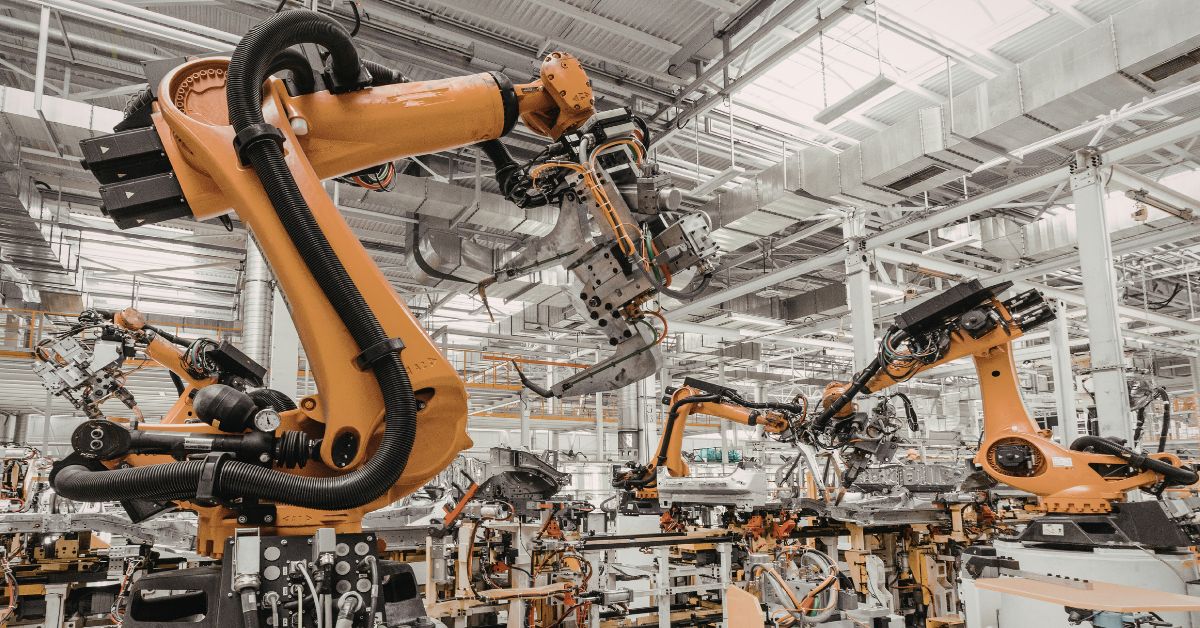
I tour modern facilities frequently. I rarely see rows of human workers on assembly lines anymore. Instead, companies deploy advanced technology. The returning factories utilize highly automated processes. They rely heavily on sophisticated machine tools. They install robotics everywhere. They implement artificial intelligence directly into the manufacturing environment.
This technological revolution creates a two-edged sword. It absolutely benefits the American economy. It drives the advancement of technology and helps the nation keep pace with the rest of the world. On the flip side, it damages the employment situation. Companies demand a much more sophisticated workforce today. These highly skilled workers earn more money. Yet, factories employ far fewer people overall. I predict substantial revenue growth in the manufacturing sector over the next five to ten years. However, I doubt this revenue surge will produce any meaningful job growth. Business always involves ups and downs. Numerous variables interact to create either a rosy or dismal picture.
Taking Action in an Unpredictable Landscape
I refuse to let uncertainty paralyze my operations. I urge you to adopt a proactive mindset. You cannot control the geopolitical climate. You cannot dictate global trade policies. However, you absolutely control your own business decisions. I outline several critical steps every aftermarket professional must take right now:
Audit your entire vendor network: Do not rely on a single factory. I challenge my clients to map every tier of their sourcing structure. You need to know exactly where your materials originate. If a sudden policy change strikes your primary source, you need a backup plan ready to execute immediately. You should negotiate secondary contracts now. You should qualify new suppliers before a crisis hits. I find that the most successful companies treat supplier relationships as true partnerships. They communicate openly. They share risk. They collaborate on problem-solving.
Invest in visibility tools: I rely heavily on data analytics to track shipments. Modern software platforms provide real-time updates on freight movements. You need to know instantly if a container sits stuck at a port. You need alerts when weather disrupts a shipping lane. You need the ability to reroute cargo dynamically. I suggest exploring external resources like SupplyChainBrain to stay updated on the latest software innovations.
Rethink your pricing strategies: I see too many businesses absorb rising costs until they go bankrupt. You need to understand your true landed costs. You must factor in potential delays, administrative fees, and unexpected surcharges. I encourage you to communicate transparently with your customers. Explain the market dynamics. Justify your price adjustments. Most customers appreciate honesty. They value reliability more than the absolute lowest price. If you guarantee delivery, they will pay a premium.
Evaluate customer demand shifts: I notice that consumer habits change radically during economic instability. When inflation bites, drivers keep their older vehicles much longer. They buy replacement parts instead of new cars. You need to anticipate this demand spike. You should stock extra inventory of alternators, brake rotors, and suspension components. I always advise my clients to analyze their sales data relentlessly. You can identify emerging trends weeks before your competitors even notice. This analytical edge protects your cash flow and ensures customer loyalty.
Embrace continuous education: The rules change daily. I dedicate an hour every morning just to read industry news. I attend virtual summits. I network with other professionals. You cannot afford to operate in a vacuum. You must stay informed to stay competitive.
The global market presents immense challenges today. The trade war creates hurdles for everyone. Yet, I also see incredible opportunities for agile businesses. Companies that adapt quickly will capture market share. Companies that optimize their networks will maximize their profits. Companies that leverage technology will outpace their competitors. I believe the future belongs to the flexible.
If you found these insights on navigating the trade war valuable, please like this post to support the industry, save it to reference these supply chain strategies later, and subscribe to my account for more expert analysis on the auto parts sector.
Post time: Oct-10-2026